Skip to content

Book a workflow audit

Bring us the work that keeps getting in the way

Pick a time that suits you. Come with one process that frustrates you and we will start there.

The short answer

A workflow audit is a free, forty-five minute session about where work slows down in your business, followed by a written map of the two or three workflows costing you the most time, an honest read on what is worth automating and what is not, and rough scope and cost for anything we would recommend building. There is no obligation to build with us and the map is yours either way. We do it because automation cannot be scoped honestly without seeing how the work actually happens, and because it is a fair way for both sides to find out whether there is a fit before money is involved.

Pick a time.

Forty-five minutes, video call, no preparation needed beyond one process you would like to see fixed.

Prefer email? hello@canautomate.ca

Loading the calendar

Exactly what you get, before you commit.

CanAutomate is a young practice. We do not have a wall of client logos yet, and we are not going to invent one. We would rather show you the reasoning than borrow someone else’s.

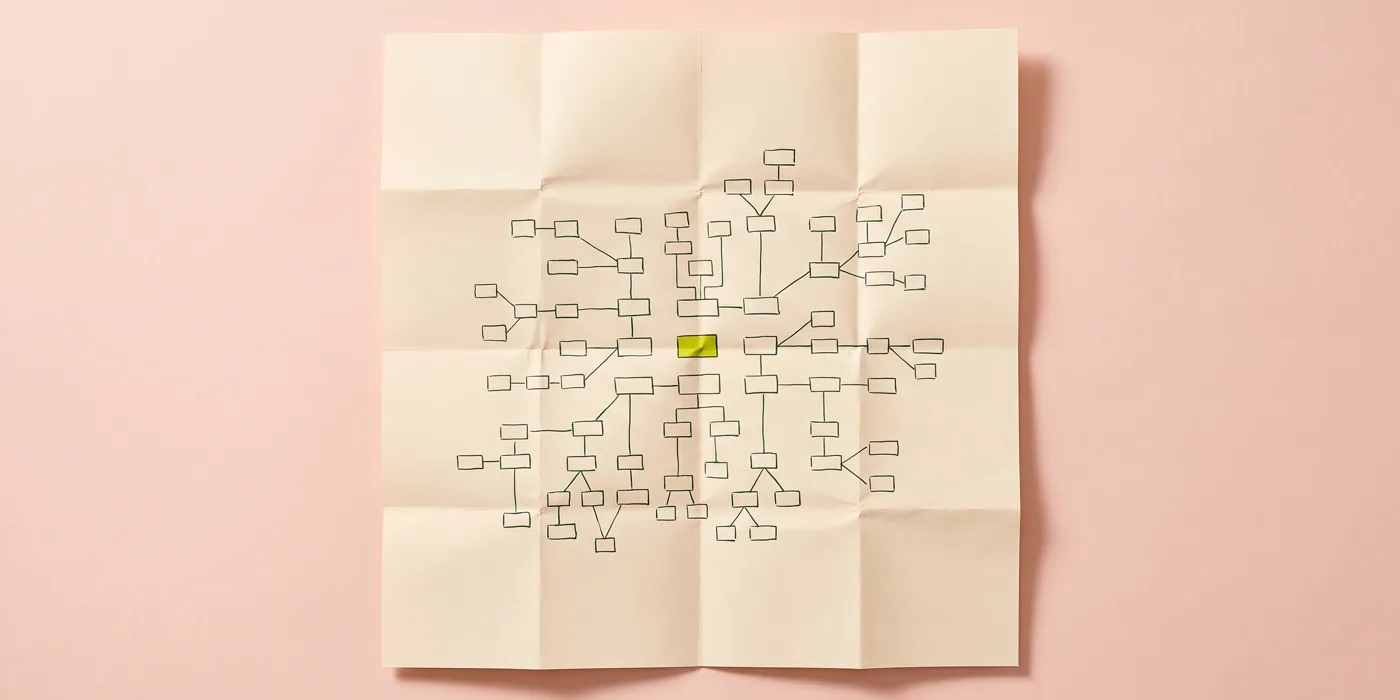
A large sheet unfolded from quarters, showing a hand-drafted workflow map of blank boxes joined by branching inked lines, with one box filled lime to mark the step worth automating.
A conversation
Forty-five minutes about where work slows down, with whoever actually does it.
A written map
The two or three workflows costing you the most time, drawn out end to end.
An honest read
What is worth automating, what is not, and the reasoning behind both.
Scope and cost
Rough numbers and the risks for anything we would recommend building.

No obligation to build with us. The map is yours either way.

We are not right for every business

Read both lists. If the second one describes your situation, we would rather say so now than three weeks into a build.

A good fit if

  • You run an existing operation with work that repeats week to week.
  • Someone on your team can walk us through how the work happens today.
  • You can name at least one process that keeps getting in the way.
  • You want a system built around your operation, not a product to configure yourself.

Probably not the right fit if

  • You are pre-launch and the process does not exist yet.
  • You need systems replaced rather than automation built on top of them.
  • You are choosing purely on lowest price.
  • The work changes so much each time that there is no repeatable pattern.

Or just describe the problem.

If a call feels premature, write down what keeps going wrong and send it over. We read every one and reply within one business day.

This opens your email app with the details filled in, so nothing is stored on this site.

About the audit

What is a workflow audit?
A forty-five minute conversation about where work slows down, followed by a written map of the two or three workflows costing you the most time, an honest read on what is worth automating and what is not, and rough scope and cost for anything we would recommend building. There is no obligation to build with us. The map is yours either way.
How much does a workflow audit cost?
The audit itself is free. We do it because we cannot scope automation work honestly without seeing how the work actually happens, and because it is a fair way for both sides to find out whether there is a fit before anyone commits money.
Who should be on the call?
Whoever actually does the work, plus whoever can decide to change it. Those are often different people, and the conversation is much less useful with only one of them. If that means two short calls instead of one, that is fine.
What should we prepare beforehand?
One process that frustrates you. That is genuinely enough. If you want to bring more, a rough sense of how often the work happens and how long it takes is useful, but we would rather hear you describe the problem than read a document about it.
What if the answer is that we should not automate anything?
Then we say so. Some processes are better fixed by removing a step, changing a rule or dropping a tool, and automating them would just make a bad process run faster. Telling you that costs us a project and saves you a build, and it is the reason we do the audit before quoting.

Related

How we work

What happens after the audit, stage by stage.